Exercises in Regret A Conversation with the Big Dipper
/PROJECT_INFO
/OVERVIEW
Exercises in Regret: A Conversation with the Big Dipper was conceived as a site-specific audiovisual project at the Shenzhen Astronomical Observatory, where an image projected onto the observation dome would face the Big Dipper above. When a typhoon cancelled the event, unrealization became the work’s actual condition of production. The proposed encounter migrated into screen-based and later dual-screen moving images, while the sound was independently released as an EP. Rather than compensating for the missing event, these shifts preserve the act of sending a signal toward something distant, uncontrollable, and unable to reply.
/FULL_PROJECT_TEXT
Exercises in Regret: A Conversation with the Big Dipper was originally conceived as an audiovisual work for a specific time and location at Shenzhen Astronomical Observatory. Zhiwei Bai planned to project moving images onto the observatory dome at its highest point while presenting sound across the site. According to the celestial position at that moment, the Big Dipper would have appeared above the dome, establishing a temporary encounter between the projected image below and the actual night sky.
In the original conception, the observatory was not merely a surface for projection. The dome, mountain summit, night sky, sound, and celestial configuration of a particular moment together constituted the conditions through which the work would take place. The image was to be directed upward from the ground, while the Big Dipper remained a distant object beyond the artist’s control. “Conversation” did not imply that the cosmos could answer, but described an attempt to establish a position from which the human subject might address the unknown through technology, perception, and imagination.
The event was ultimately cancelled because of a typhoon, and the planned encounter never took place. “Regret” consequently ceased to be only a predetermined emotional theme and became part of the actual history of the work. Weather interrupted the technical plan while exposing the dependence of site-specific practice upon time, environment, infrastructure, and contingency. The cancellation was not simply an accident external to the artwork; it transformed the way the work could subsequently exist.
For the UNLOCK exhibition later that year, Bai transferred the intended moving image to a small screen. A public projection originally directed toward the sky and dependent upon the scale of the observatory was compressed into an image encountered at close range. Rather than attempting to reproduce the absent site within the exhibition space, the work retained the distance produced by this change of scale. The viewer encountered not a completed dialogue with the cosmos, but a visual remainder of the site for which the image had originally been made.
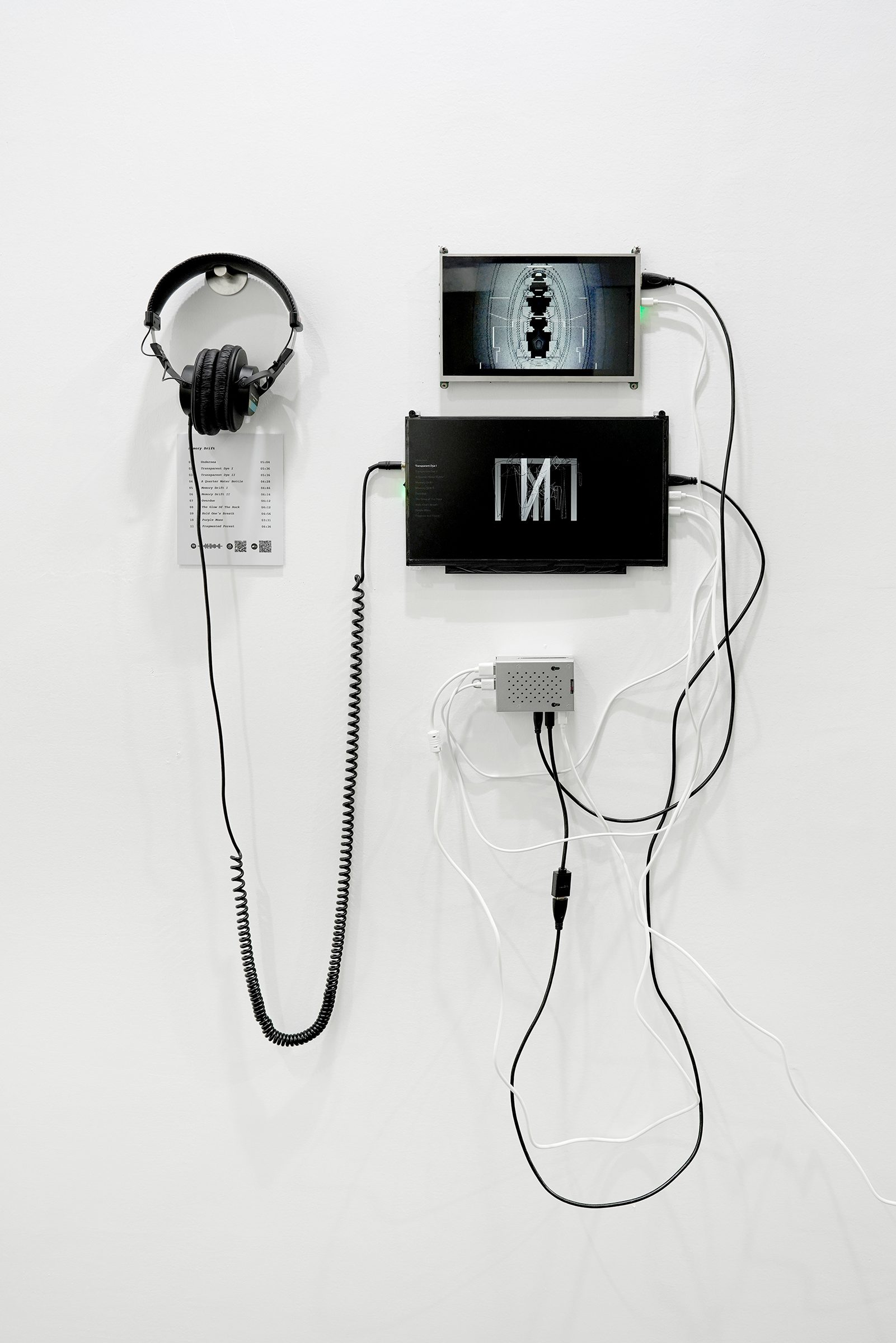
At Creation Factory A LOT, the work was subsequently developed into a dual-screen moving-image installation. The upper screen presented the central visual sequence, while the lower screen displayed variations generated from Bai’s symbolic system. Operating simultaneously at different scales and rhythms, the two images established an ongoing feedback between a principal image and its proliferating symbolic transformations. The installation was presented alongside the listening station for the Memory Drift sound album, although the two remained independent works.
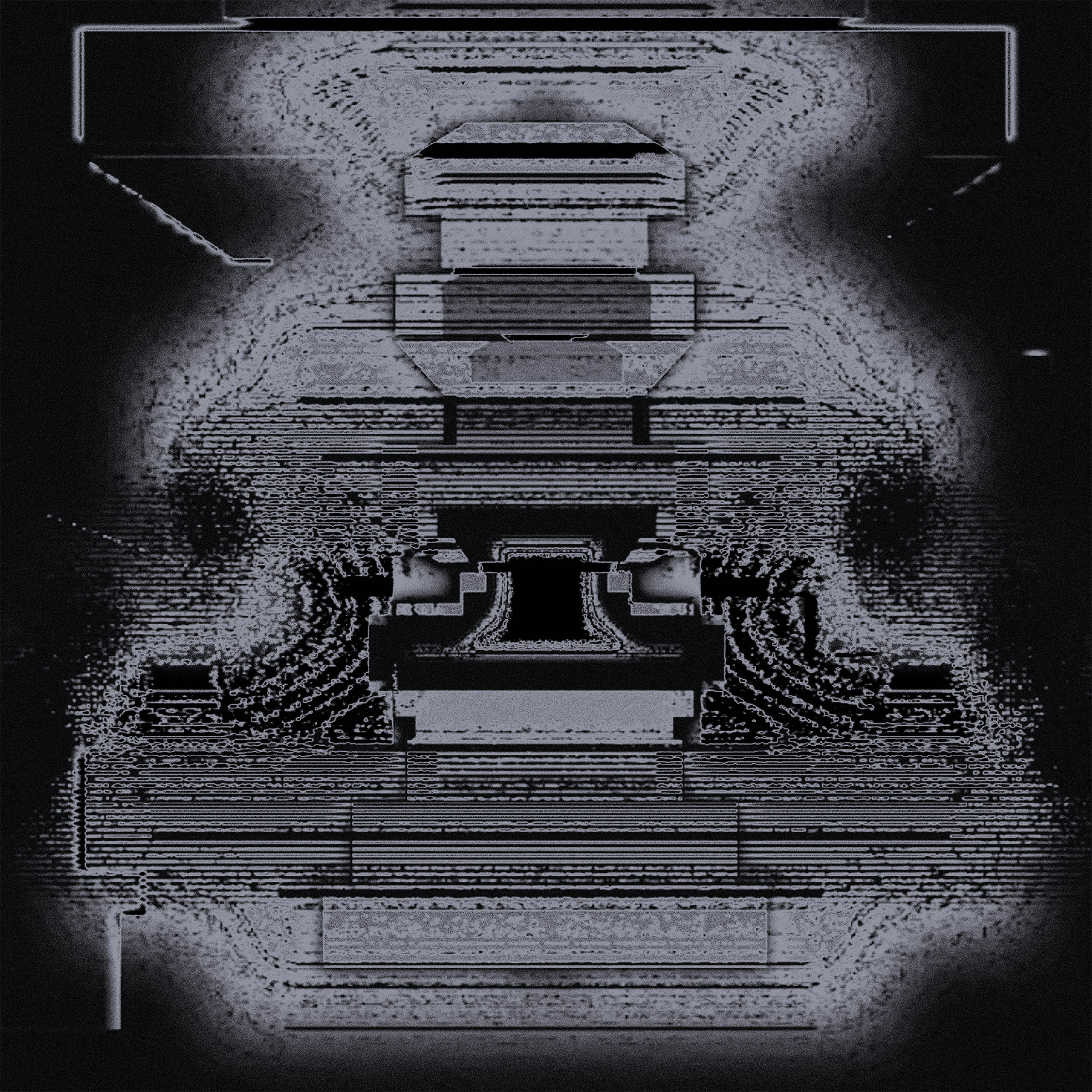
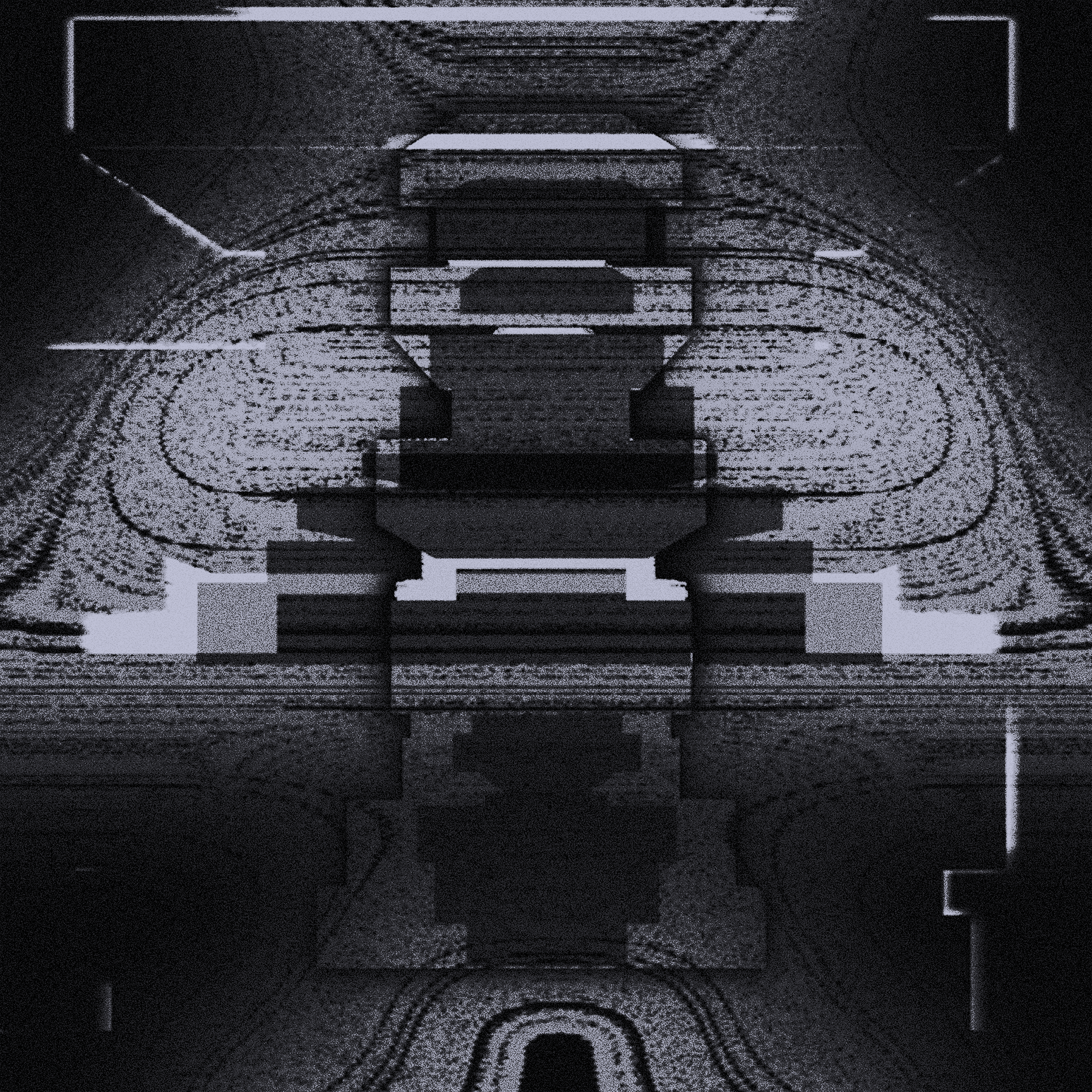
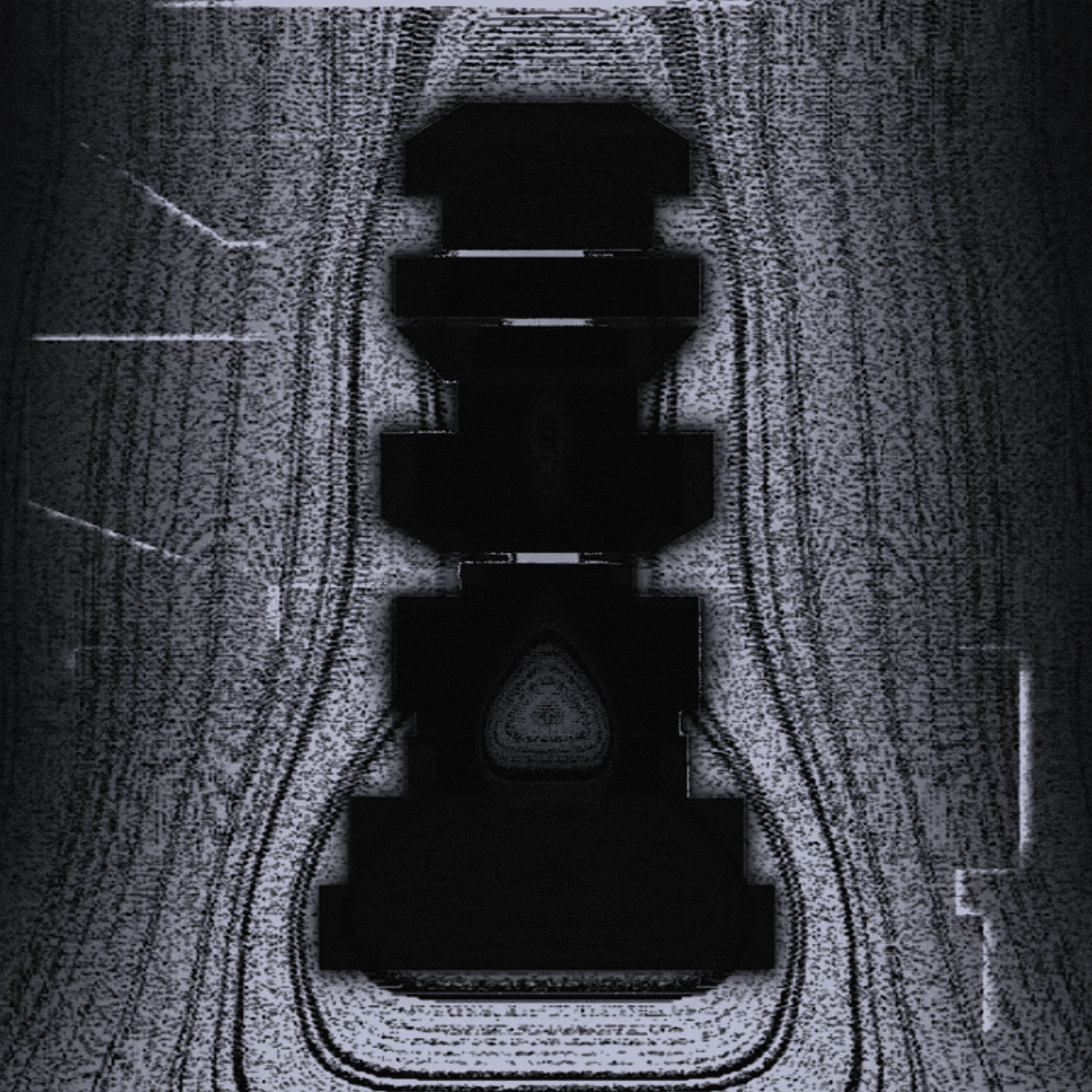
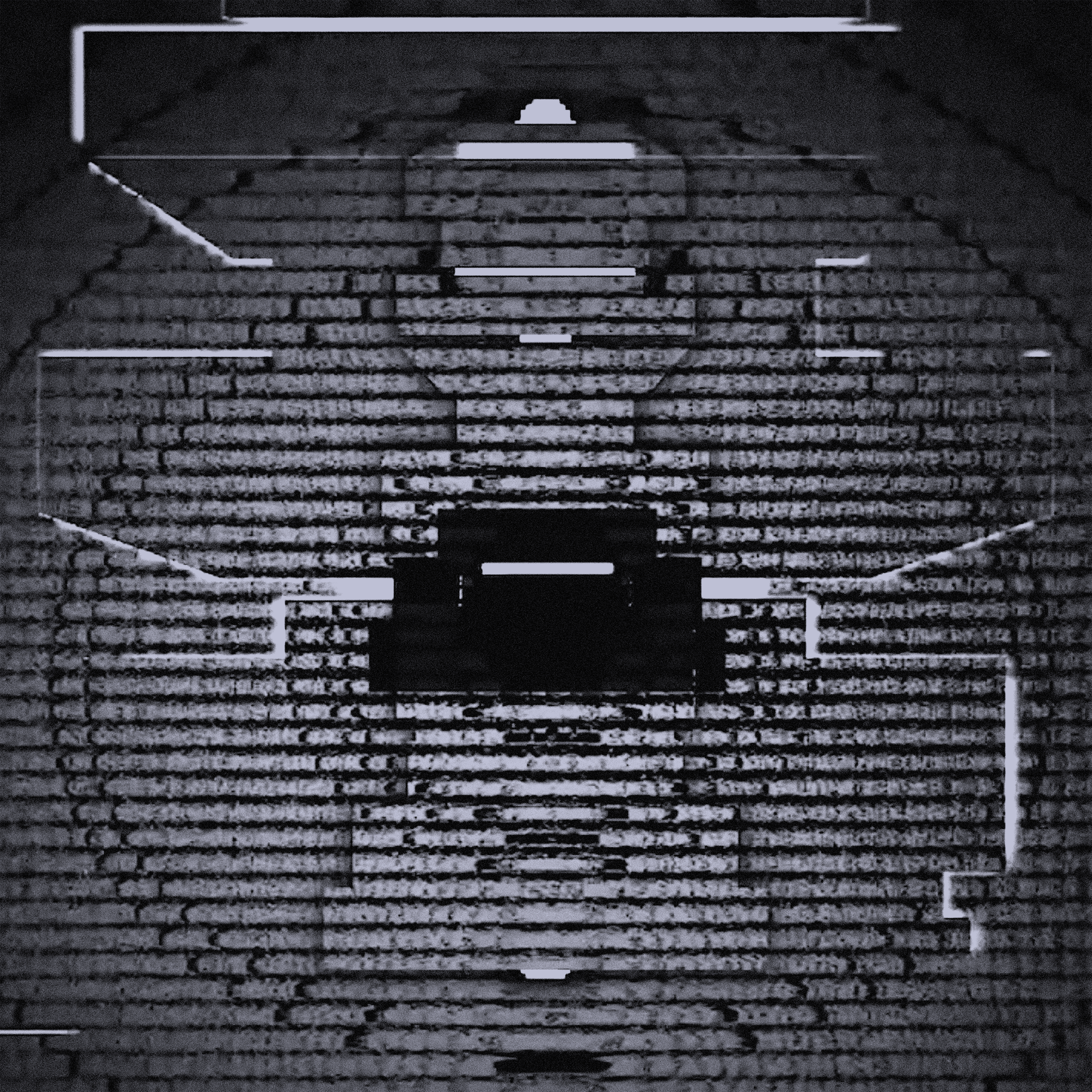
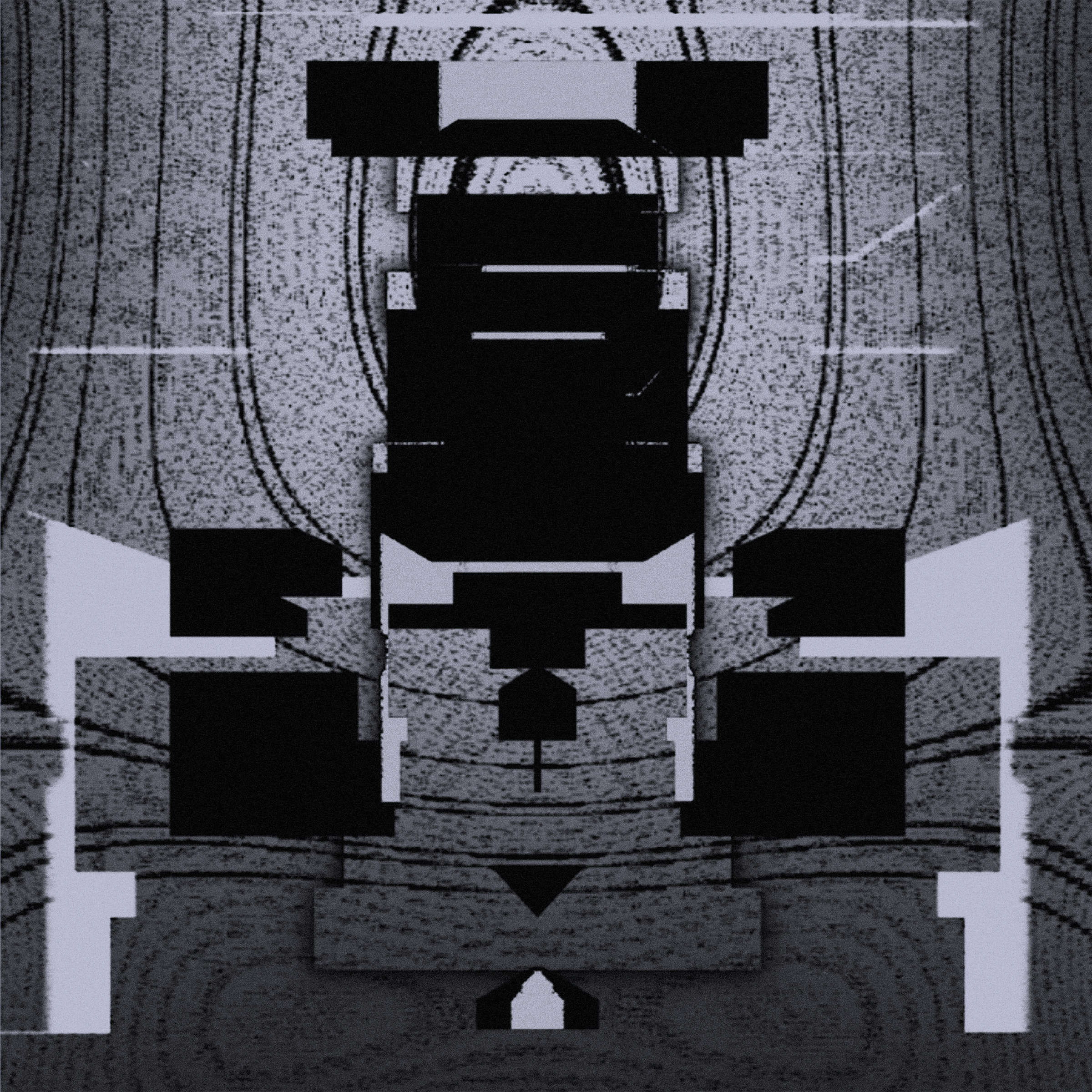
Glitches, divisions, repetitions, and geometric structures make the images resemble signals that are searching, calibrating, and transmitting without ever reaching their destination. The moving image does not function as a substitute for the unrealized projection. Instead, it allows the conversation that failed to occur at the observatory to continue under different technological and perceptual conditions. Absence is not filled by the image but becomes a structure of interruption and repetition within it.
The sound component was subsequently edited and released independently as an EP under the same title. The EP shares the conceptual source and perceptual atmosphere of the moving-image work but can be heard apart from the installation. It should therefore be understood not as an unrelated sound project, but as an autonomous extension of the same work into the medium of sound.
Exercises in Regret returns to astronomical imagery used in Interval and Star Atlas, but the actual sky, a specific location, and unpredictable weather no longer serve merely as visual sources; they determine whether the work can occur. The cosmos becomes an external condition that the artist cannot control or fully incorporate into a technical plan.
Exercises in Regret is therefore not simply about a cancelled site-specific proposal. It considers how an artwork continues to generate forms after its original realization has become impossible. The intended site becomes a screen-based image, a single projection develops into a dual-screen relationship, and sound extends into an independent EP. Regret is neither repaired nor eliminated but becomes the force driving the work’s movement between media. What the work ultimately presents is not a completed conversation with the Big Dipper, but the persistence of a human signal directed toward something that cannot answer and can never be fully reached.
/OVERVIEW
《Exercises in Regret: A Conversation with the Big Dipper》原为深圳天文台特定时间与地点构想的声音影像计划:影像将投射至观测球体,与上方的北斗七星形成对望。活动因台风取消后,未实现成为作品真实的生成条件。原定现场转化为屏幕及双屏影像,声音又独立成为同名EP。作品没有弥补缺席,而让媒介的不断迁移保存人与一个不可控制、无法回应的对象持续发送信号的行为。
/FULL_PROJECT_TEXT
《Exercises in Regret: A Conversation with the Big Dipper》最初是一件为深圳天文台的特定时间与地点构想的声音影像作品。柏志威计划将动态影像投射在天文台最高处的观测球体上,并在现场播放声音。按照当时的天体位置,北斗七星将出现在观测球上方,使地面的影像与真实星空形成一次短暂的对望。
在最初的构想中,天文台并不只是一个投影表面。观测球、山顶、夜空、声音以及特定时刻的星体位置,共同构成作品发生的条件。影像从地面向天空发出,北斗七星则作为一个遥远且无法被控制的对象存在。所谓“对话”并不意味着宇宙能够真正回应,而是人在技术装置、感知与想象之间,尝试建立一个面向未知的交流位置。
活动最终因台风取消,原定的现场没有发生。作品标题中的“regret”由此不再只是预先设定的情绪,而成为作品真实历史的一部分。天气中断了技术计划,也显露出场域性作品对时间、环境、基础设施与偶然条件的依赖。未能实现并不只是发生在作品之外的一次事故,而改变了作品此后的存在方式。
在同年的“UNLOCK”展览中,柏志威将原定影像转移至小型屏幕。原本面向天空、依赖天文台尺度的公共投影,被压缩为一种可以近距离观看的影像经验。作品没有尝试在室内复制缺席的天文台现场,而是让影像保留这一尺度转换所造成的距离:观众面对的不再是已经实现的宇宙对话,而是一段关于原定现场的视觉残留。
此后在 Creation Factory A LOT 的版本中,作品发展为双屏影像装置。上方屏幕播放作品的核心影像,下方屏幕则呈现由其符号系统生成的多种视觉变体。两组影像在不同尺度和节奏中同时运行,使核心图像与不断分化的符号之间形成持续的反馈。该装置与《Memory Drift》声音专辑的聆听部分在同一现场并置,但两者仍是各自独立的作品。
影像中的故障、分割、重复与几何结构,使画面如同一组正在搜索、校准和传输,却始终无法抵达目标的信号。影像不是原定天文台投影的替代品,而是那次未能发生的对话,在另一种技术和观看条件中继续运行的方式。缺席没有被影像填补,而成为影像内部不断重复与断裂的结构。
作品的声音部分后来被独立整理,并以同名EP发行。EP与影像共享相同的创作来源与感知氛围,但能够脱离装置独立聆听。因此,它不是一项与影像无关的声音计划,而是同一作品在声音媒介中的独立延伸。
这件作品重新调用了《间隔》和《星图》中出现的天文图像,但真实星空、具体地点与不可预测的天气不再只是图像来源,而直接决定作品能否发生。宇宙因此成为艺术家无法控制,也无法完整纳入技术计划的外部条件。
《Exercises in Regret》因此不只是关于一次被取消的现场计划,也处理一件作品如何在未能实现之后继续生成。原定现场转化为屏幕影像,单一投影发展为双屏关系,声音则进一步成为独立EP。遗憾没有被弥补或消除,而被转化为作品不断迁移媒介的动力。作品最终呈现的不是人与北斗七星完成了一次对话,而是人如何持续向一个无法回应、也无法完全抵达的对象发出信号。